Gem Residences @ Toa Payoh
Leveraging VDC, DFMA and PBU methodologies to enhance construction planning, coordination and site execution.
Location
Singapore
Category
Residential
Year
2020
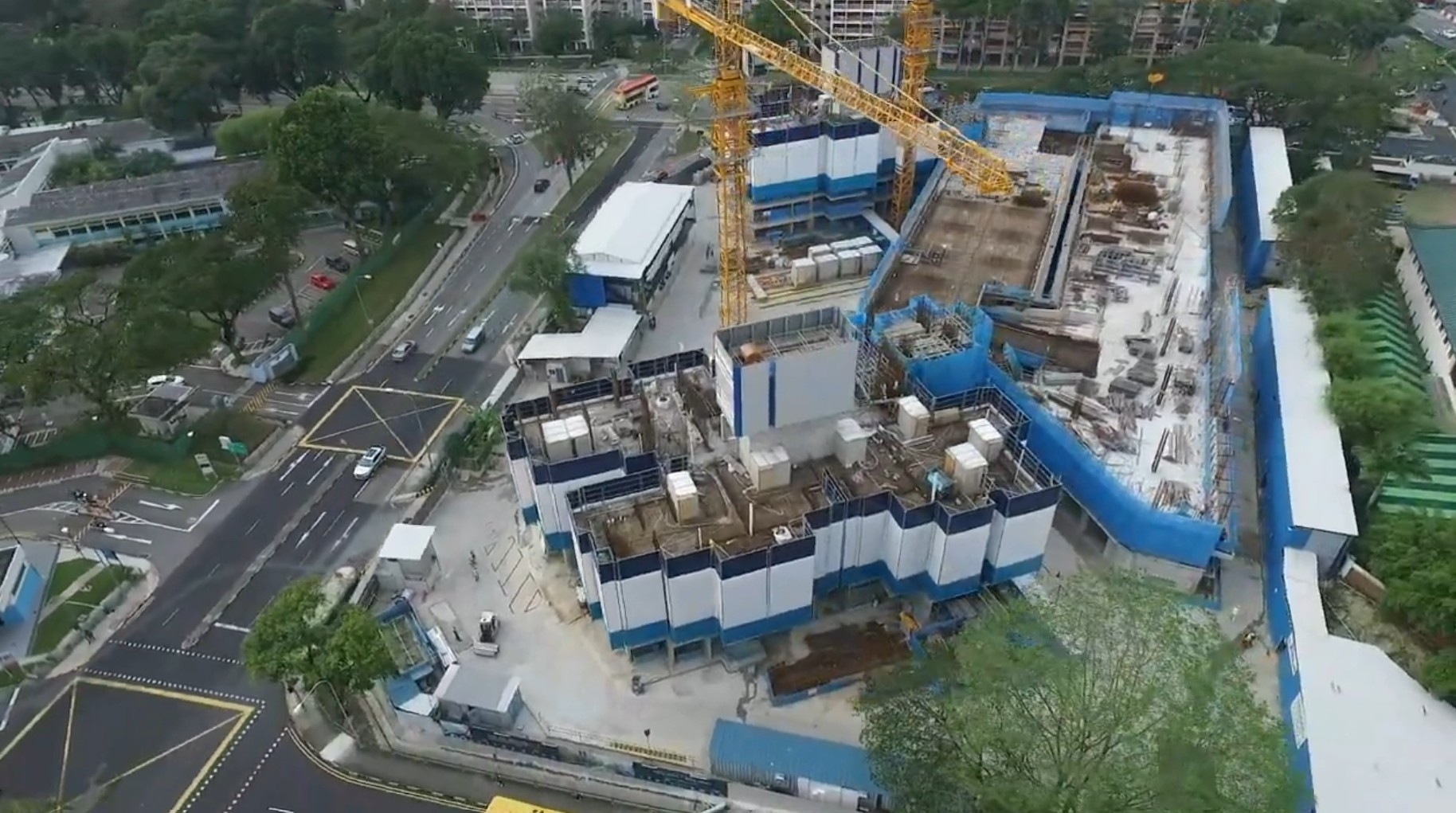
At Gem Residences @ Toa Payoh, the project involved the application of VDC, DFMA and Prefabricated Bathroom Unit (PBU) methodologies to improve coordination, constructability, installation efficiency, and site execution planning.
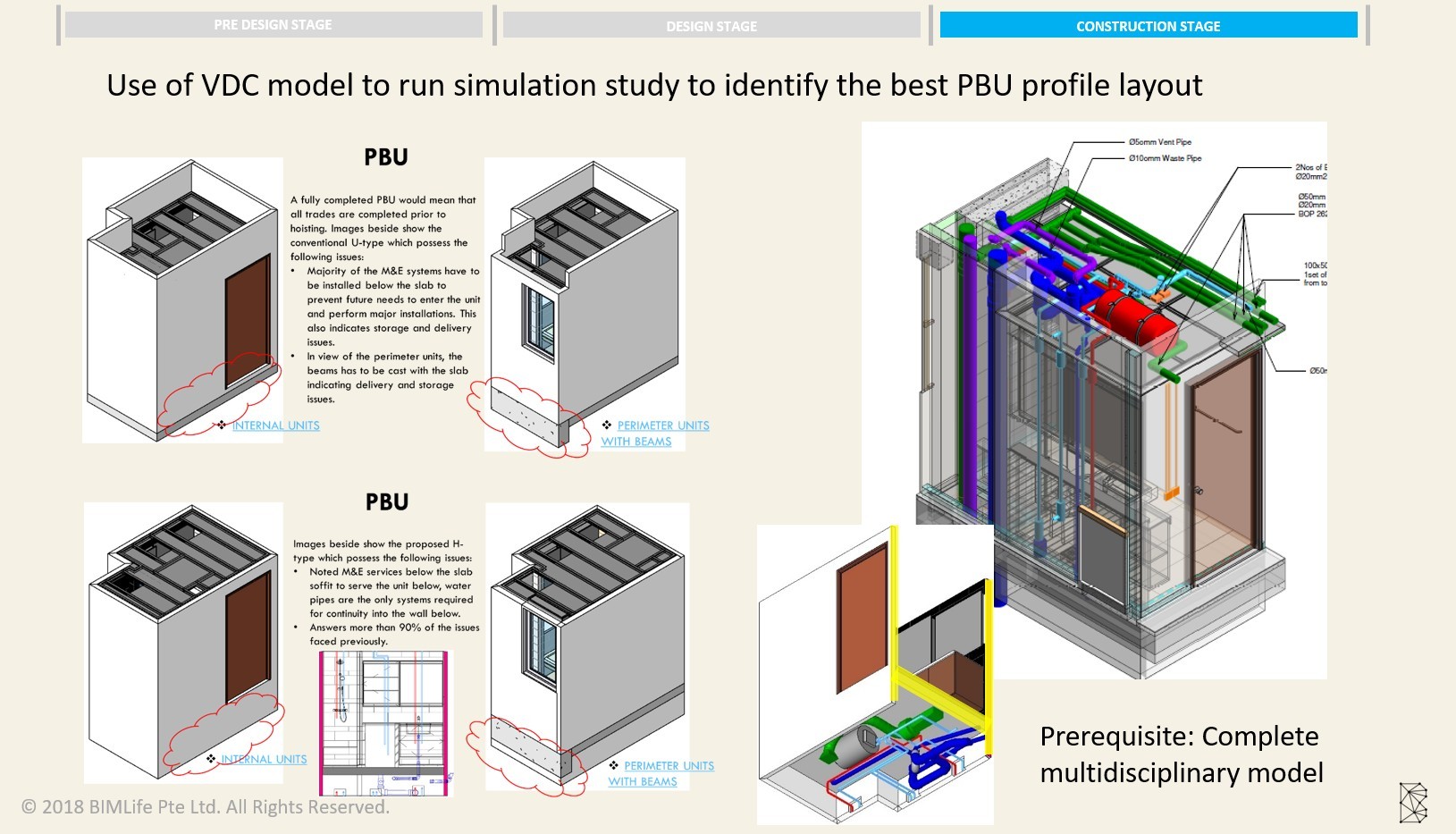
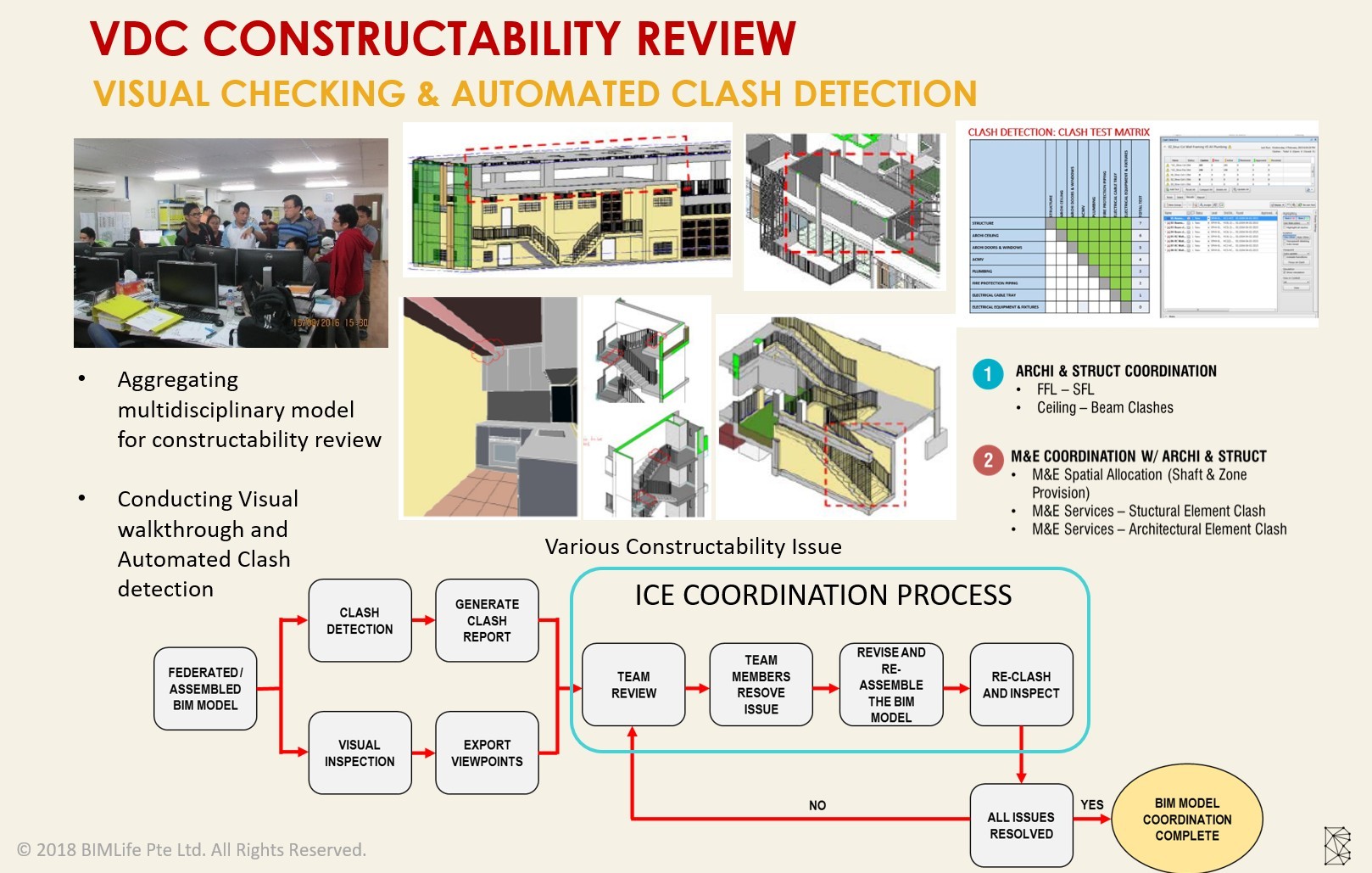
A key project focus was the use of VDC models to run simulation studies for the PBU system, allowing the team to evaluate the most suitable PBU profile layout and identify constraints before on-site execution. Through multidisciplinary coordination, the model was used to review the relationship between architectural, structural and M&E components so that practical construction issues could be resolved early.
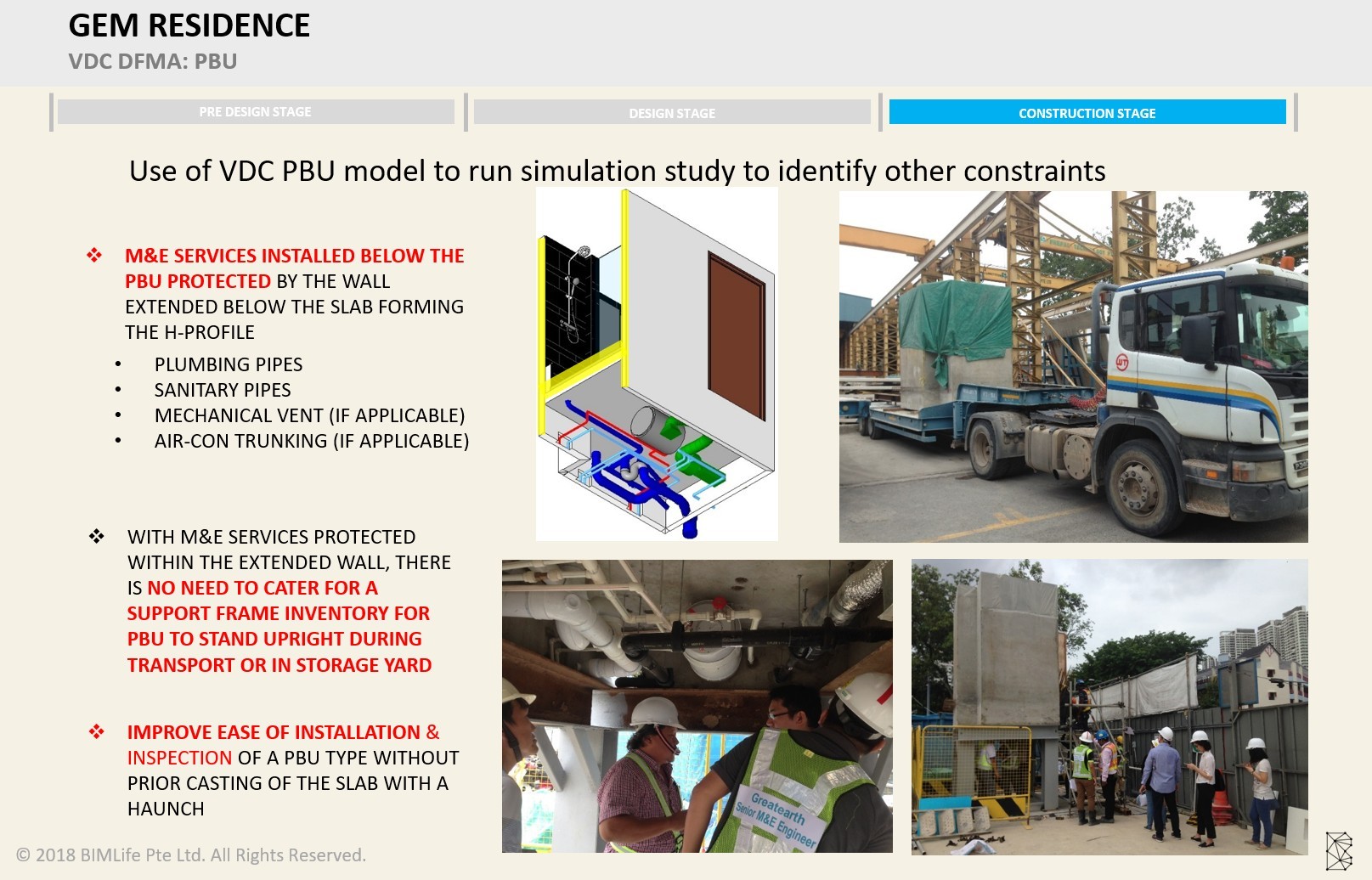
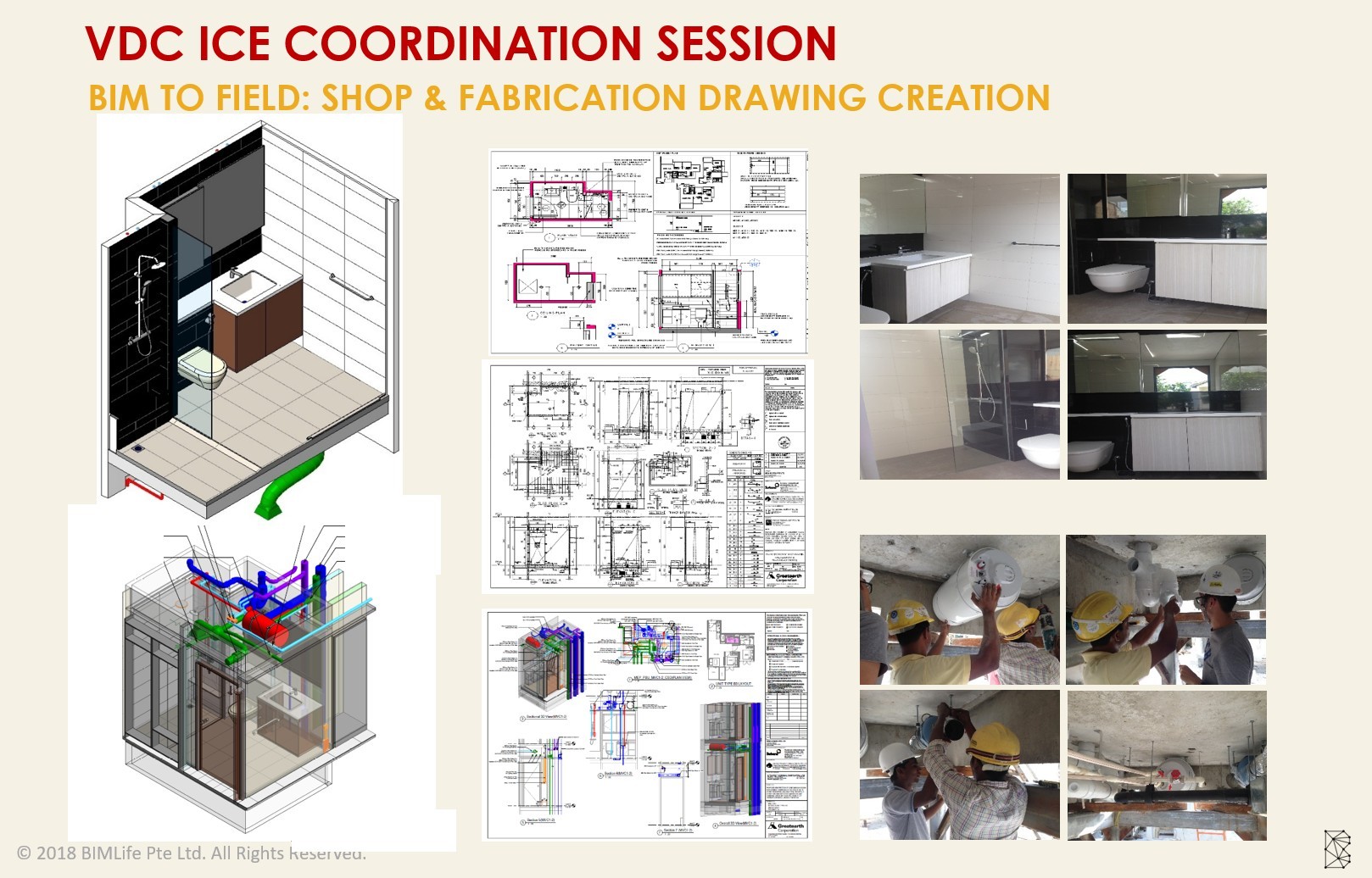
One of the notable strategies studied and implemented was the configuration of M&E services below the PBU, protected by the wall extension below the slab to form the H-profile arrangement. This approach helped reduce the need for temporary support framing during transport and storage, while also improving the ease of installation and inspection before the slab was cast with the haunch. The methodology addressed practical site concerns such as plumbing routing, sanitary pipe coordination, mechanical vent allowance and air-con trunking integration where applicable.
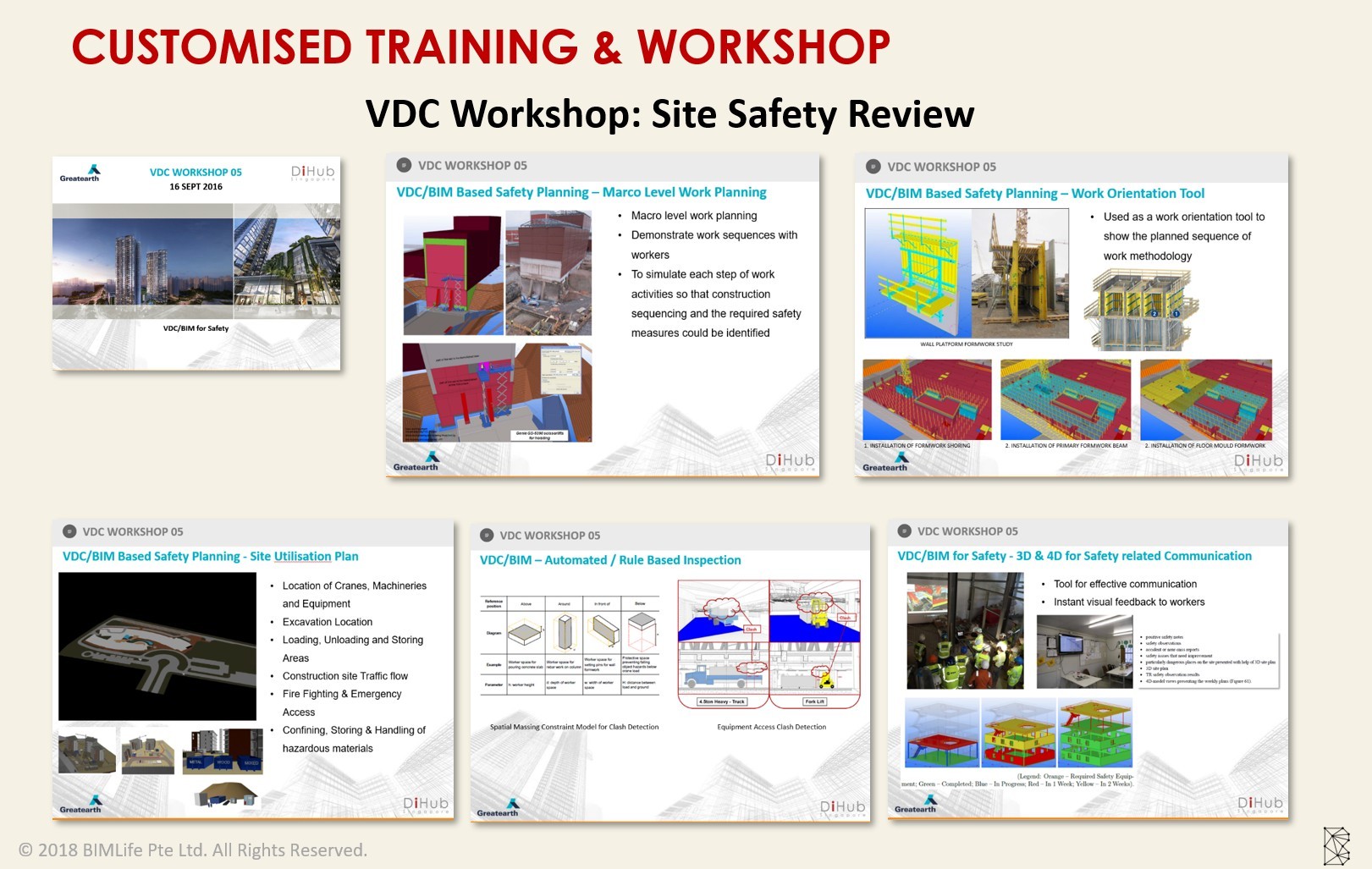
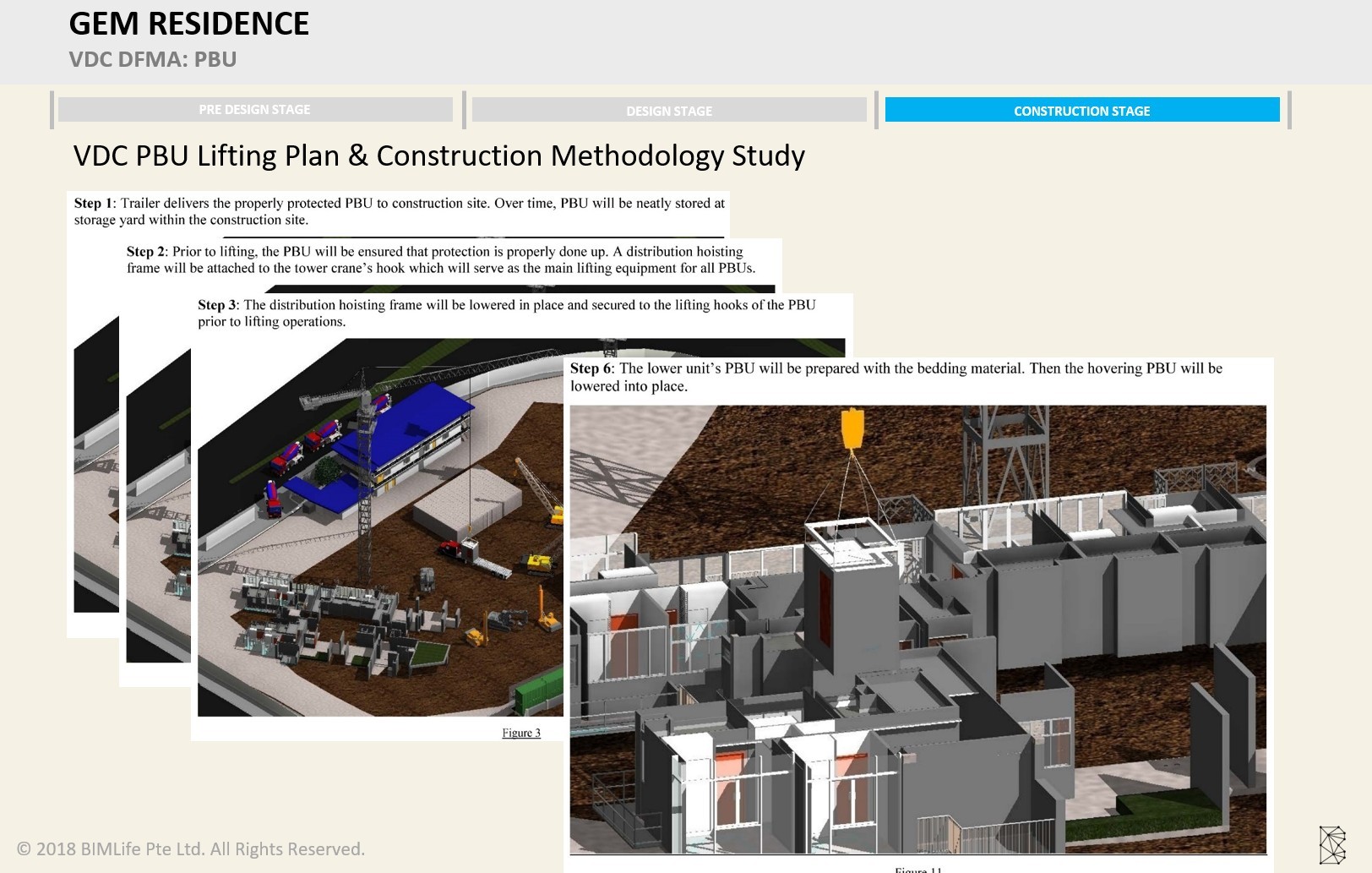
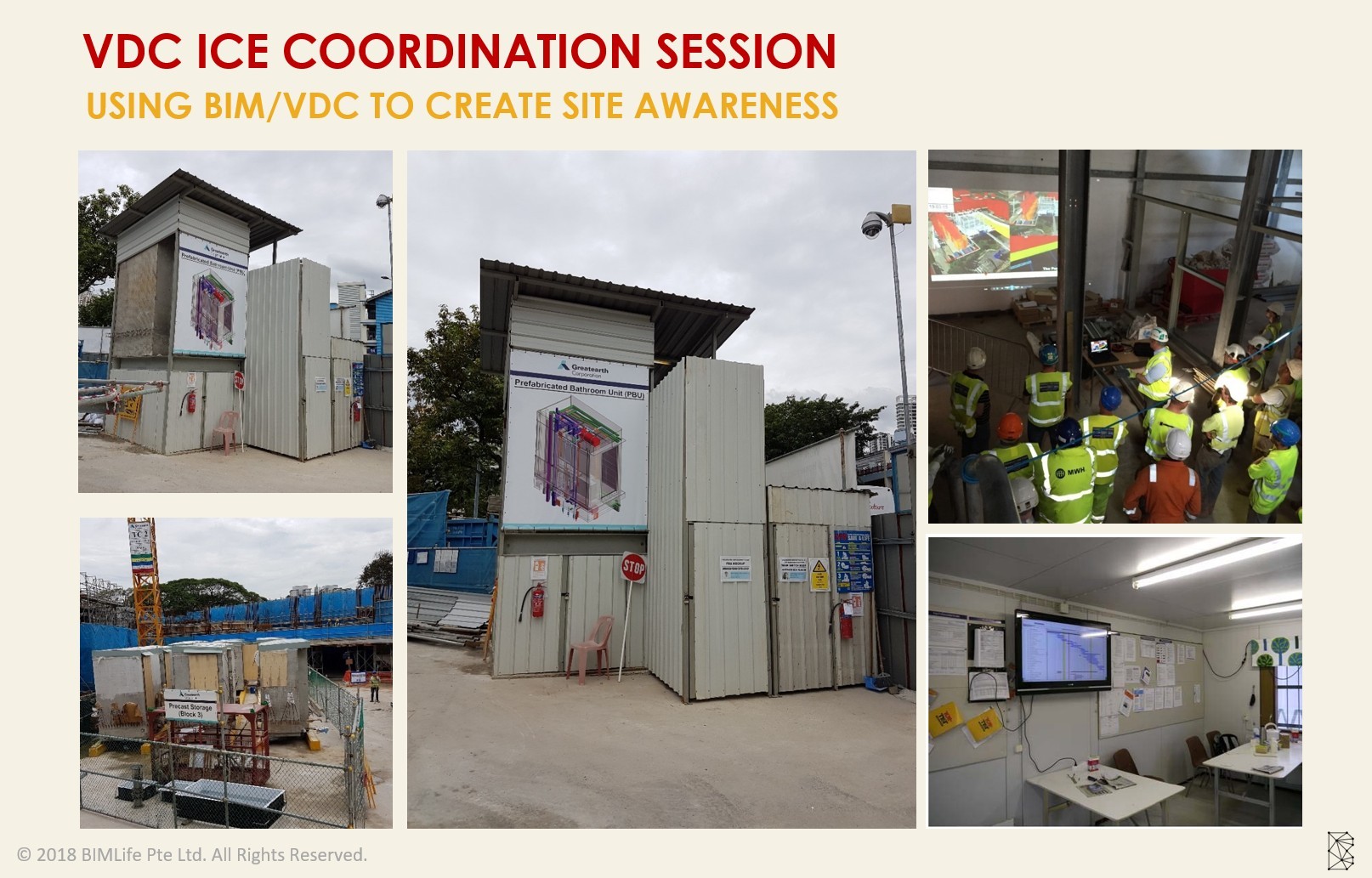
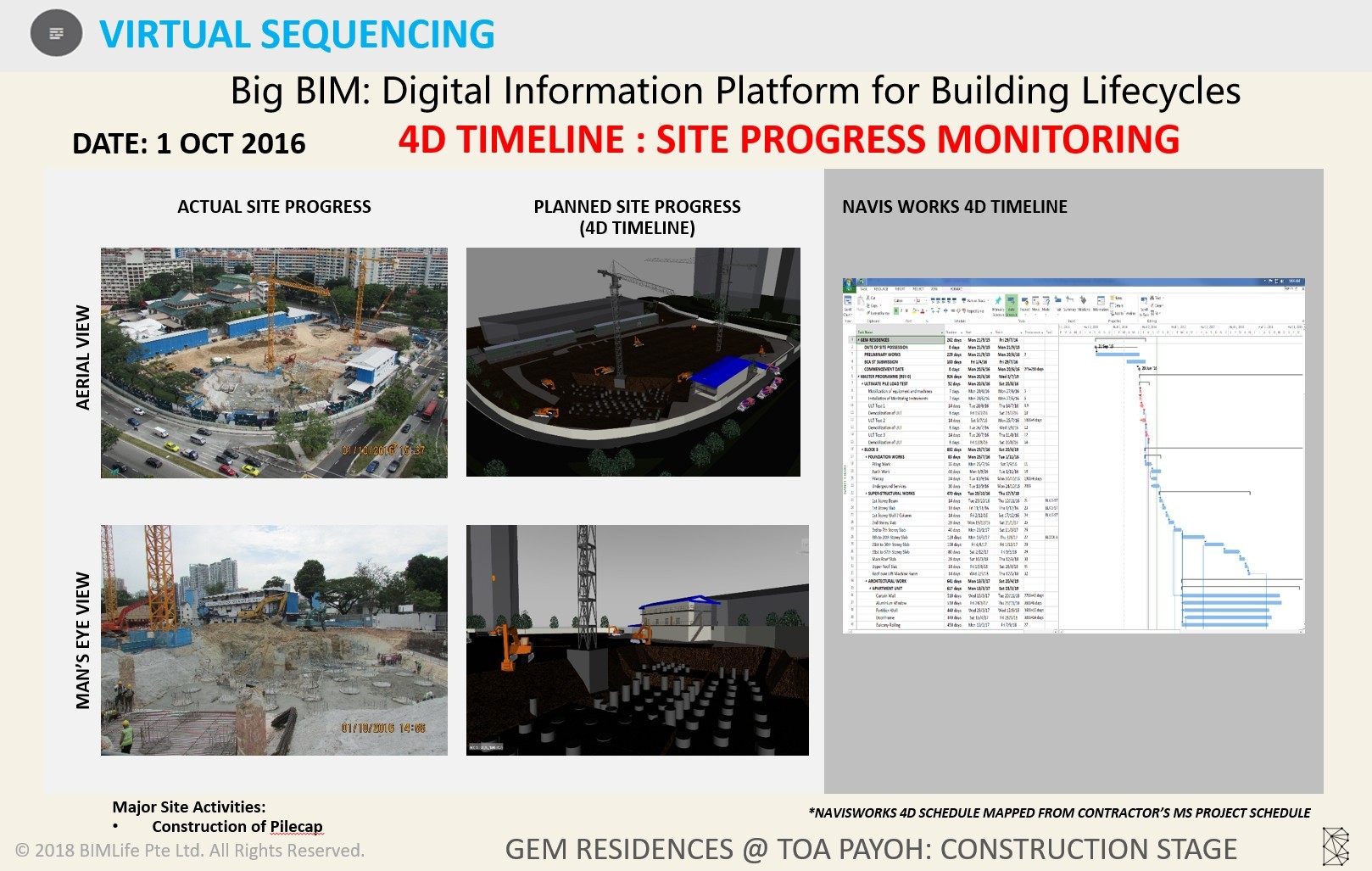
The project also included VDC-based lifting plan studies and construction methodology simulations for the PBU installation process. These studies helped plan trailer delivery, storage yard considerations, hoisting frame attachment, lifting sequence, and final placement of the prefabricated units. By using digital simulation to study construction methodology in advance, the project team was better able to improve site planning, reduce uncertainty, and support safer and more controlled execution.
In addition, the project demonstrated strong emphasis on BIM-to-field coordination, including shop drawing development and fabrication drawing creation. Through coordinated ICE sessions and technical reviews, the design intent was translated into buildable details that supported actual site installation. This process improved coordination between digital models, production information and field conditions, helping ensure that the prefabricated elements and services could be installed more smoothly and accurately.
Overall, this project reflects Ember Earth’s director experience in managing construction works that required close coordination between design, digital planning, prefabrication strategy, M&E integration, lifting logistics and on-site methodology, particularly in a project environment where buildability and execution sequencing were critical.